Your phone shoots 4K. The camera in your pocket is genuinely better than the professional kit plenty of crews were using fifteen years ago. So when someone suggests hiring a production company, it's fair to wonder what you'd actually be paying for.
Here's the honest answer: sometimes nothing. There are videos your business needs where a phone is exactly the right tool, and anyone who tells you otherwise is trying to sell you something.
But there are also videos where doing it yourself quietly costs more than getting help would have done. The trick is knowing which is which.
When Your Phone Is Exactly Right
Behind-the-scenes clips. Quick updates from a job. Stories and reels for social media. A thirty-second hello to a customer who's just enquired. For all of these, your phone isn't just good enough. It's often better.
These videos work precisely because they're a bit rough. A polished behind-the-scenes clip feels staged. Filmed on a phone, slightly wobbly, it feels real. And people trust real.
If you're posting on social media every week, you should absolutely be filming on your phone. No production company can keep up with that rhythm, and you don't need one to.
What a Crew Actually Changes
Lighting. Not a studio full of film lights, just knowing where to put you so you don't end up washed out or half in shadow. It's the difference between looking like yourself and looking like you've been filmed by accident.
Sound. More on this in a moment, because it deserves its own section.
Direction. Someone deciding what to film and why, so the finished video says one clear thing instead of ten half-things. Most DIY video falls down here, not on picture quality.
Someone whose only job is the result. When you film yourself, you're also running the business, answering the phone and worrying about how you look on camera. A crew has one job: making sure the finished film works. That focus is a large part of what you're paying for.
Sound Is What Gives It Away
If you take one thing from this article, make it this. Viewers will forgive a slightly soft picture. They will not forgive bad sound.
Echoey rooms. Traffic noise. A voice that's too quiet, then suddenly too loud. That's what makes people click away, usually without knowing why. It just feels amateur.
Professional video production is, in large part, professional sound. Proper microphones, a quiet spot, someone actually listening on headphones while you talk. It's invisible when it's done right and glaring when it isn't.
The Hidden Cost of Doing It Yourself
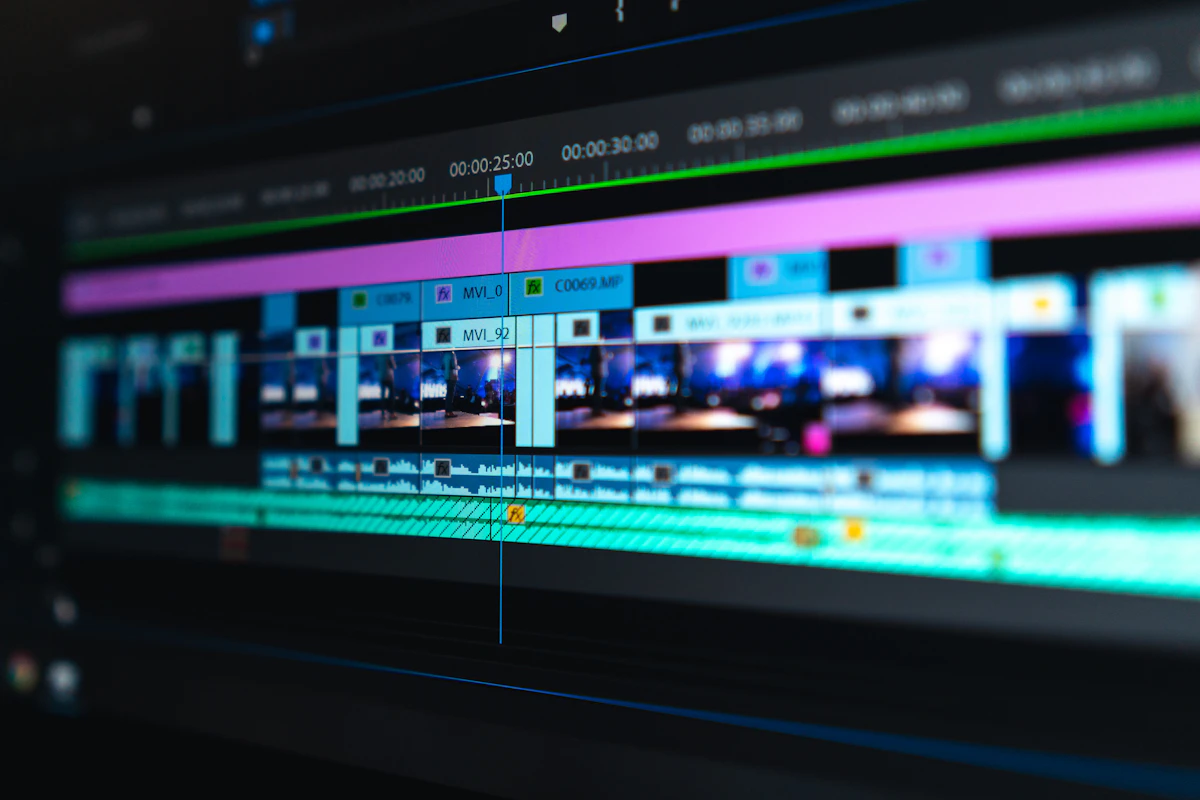
DIY video looks free. It isn't. It costs your time: planning it, filming it, filming it again because the first attempt didn't work, then sitting down to edit. And editing is where most DIY projects go to die. Plenty of business owners we talk to have a folder of clips somewhere that never became anything.
Then there's the cost of getting it wrong. If the video sitting on your homepage for the next three years was filmed in a spare half hour between meetings, it usually shows, and redoing it later costs more than doing it properly once. When you weigh your own hours against what professional production actually costs, the gap is smaller than most people expect.
A Sensible Way to Split It
The businesses that get this right don't pick a side. They split the work.
Phone footage for the everyday: social posts, updates from jobs, quick answers to the questions customers always ask. Professional production for the things that represent you for years: the film on your homepage, customer testimonials, the video that gets sent to every serious enquiry.
The everyday stuff keeps you visible. The professional stuff does the convincing. For most of the local businesses we work with around Hertfordshire, that mix looks like one or two properly made films a year plus a steady stream of phone clips, and it works.
So the real question was never filming on a phone vs hiring a videographer. It's knowing which job each one is for.
If you're not sure which side of the line your next video falls on, drop us a message. We'll tell you honestly, even if the answer is "just use your phone".