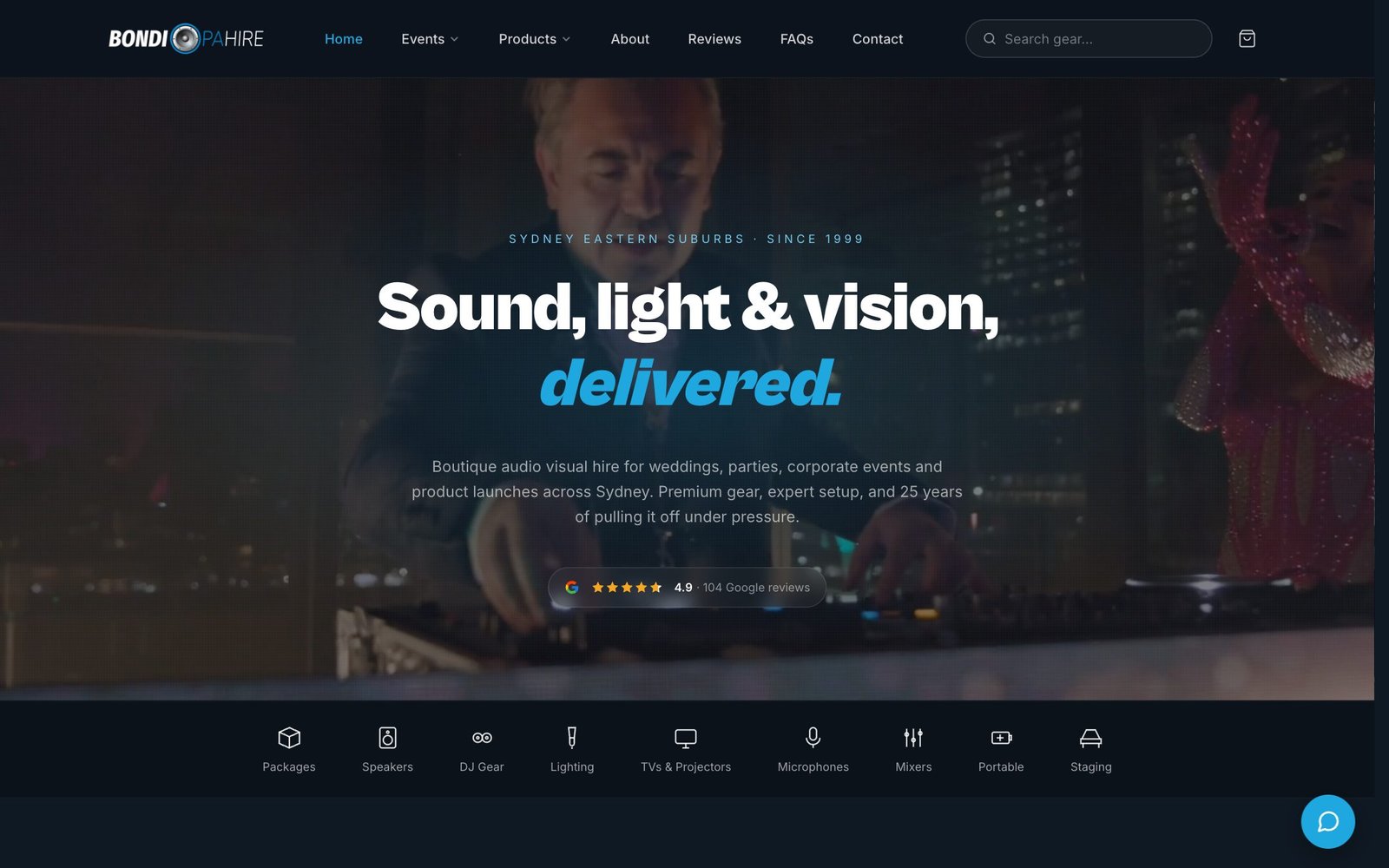
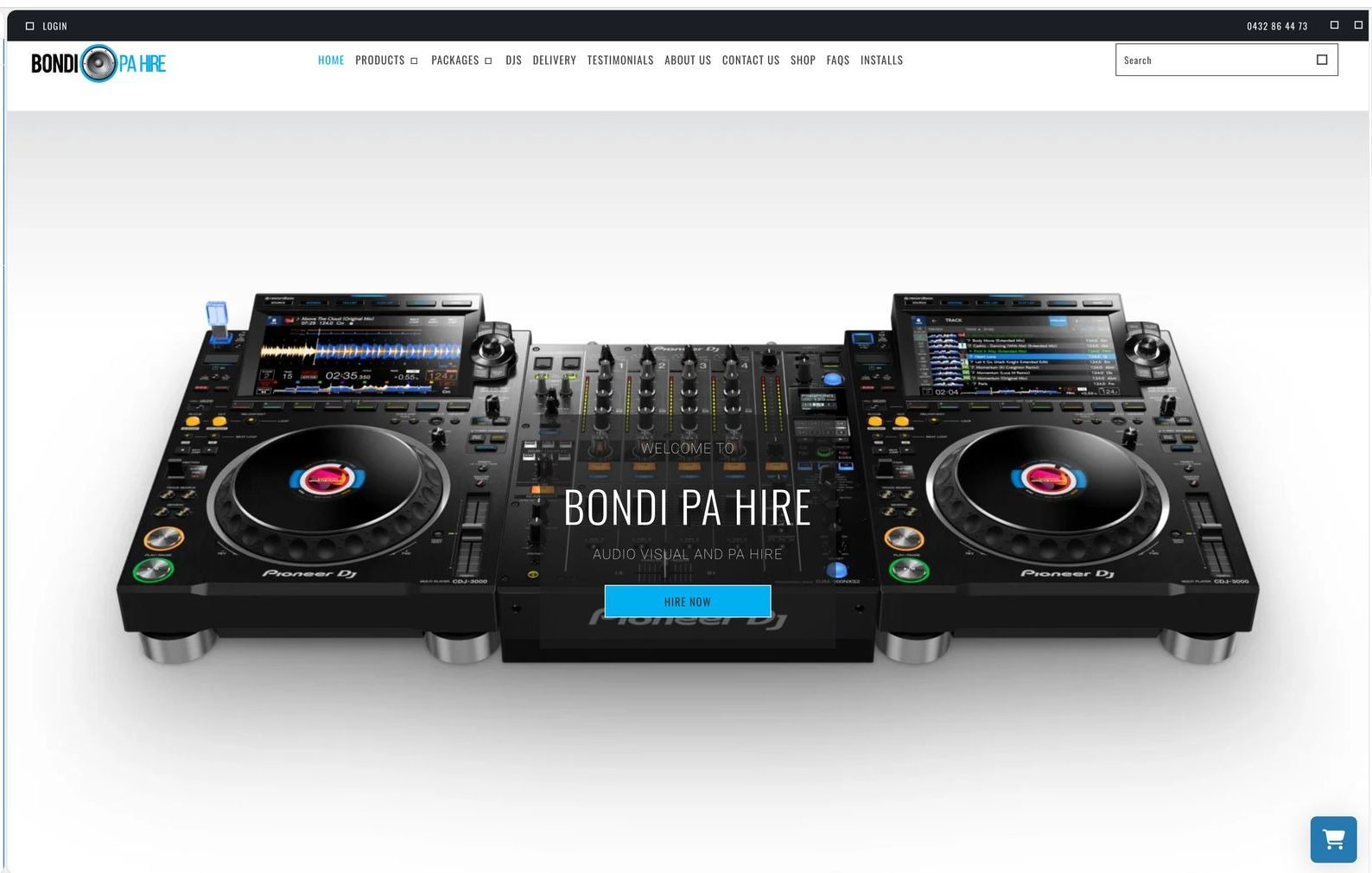
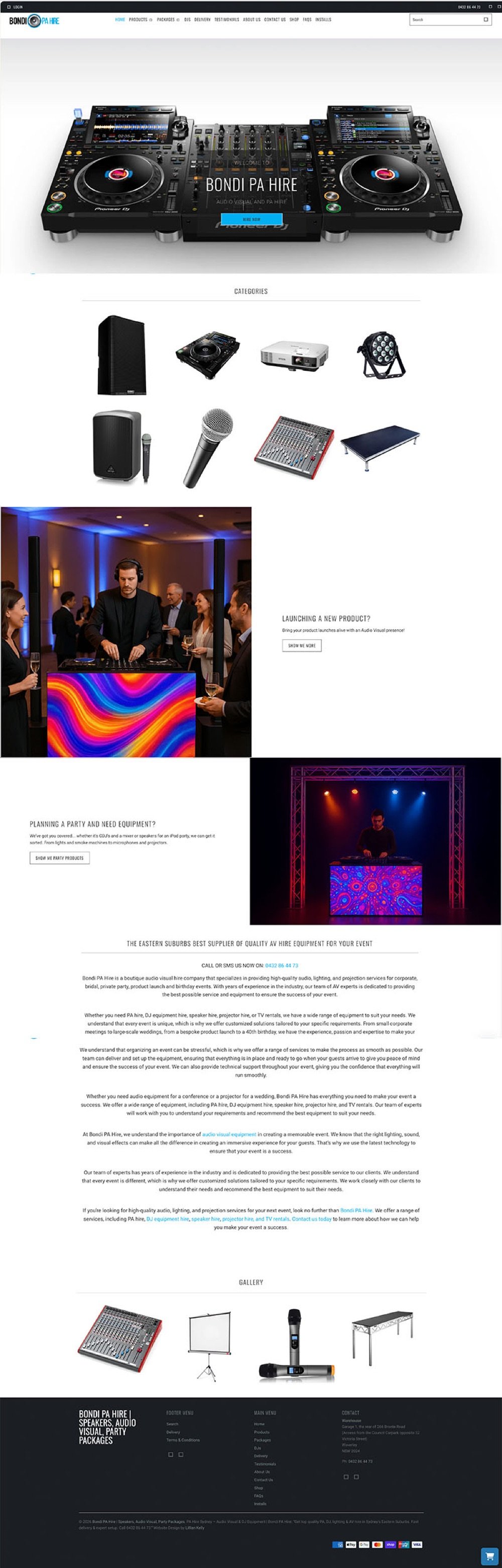
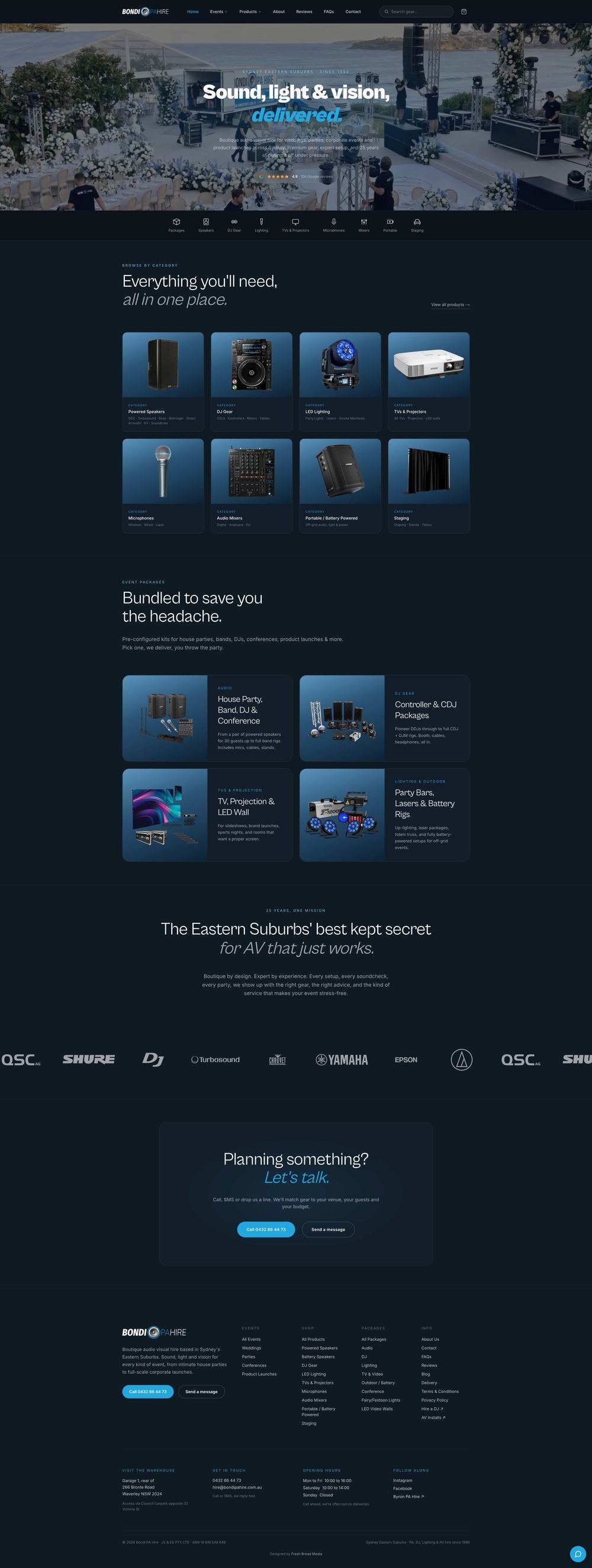
Drag to compare. Left is the Shopify site as it stood in April 2026, right is the site that replaced it.
The problem
Paying for a shop that did not sell anything.
Bondi PA Hire has been putting sound, light and vision into Sydney weddings, parties and conferences since 1999. The business is well run and well reviewed: 104 Google reviews, 4.9 stars.
The website was not. It lived on Shopify, but Shopify was never actually used for selling. Every booking, every date check and every payment ran through Booqable, a hire system bolted on with bits of JavaScript. Shopify was a monthly bill for a shop window, and the shop window was a premium theme that had been left to drift.
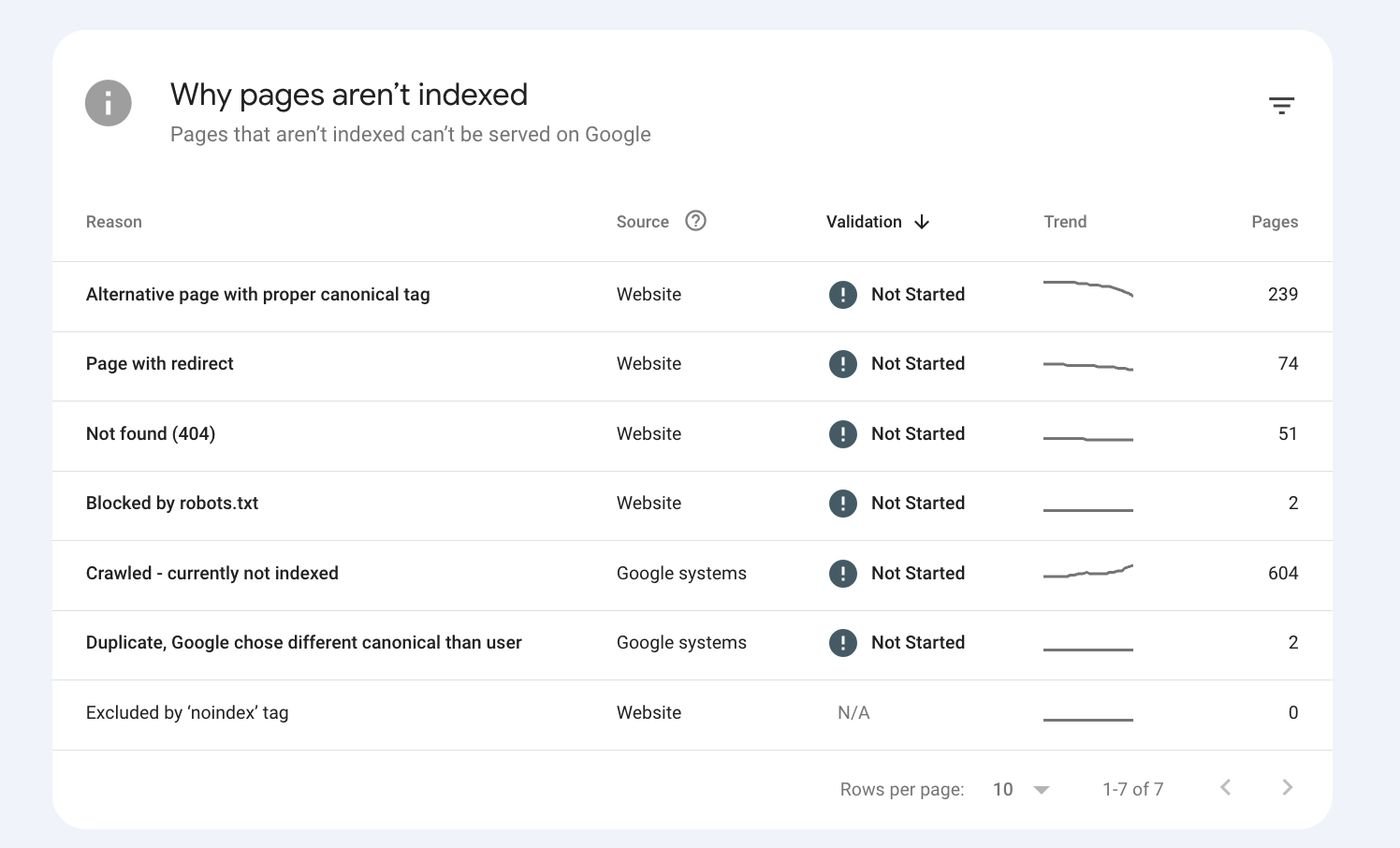
Google was confused too. The old index carried hundreds of duplicate, redirected and dead addresses. When we first looked, 604 pages had been crawled and then ignored, and another 239 were flagged as duplicates of something else.
And the whole sector has the same look. As Jez put it to the owner on day one, competitor sites in this industry are cluttered, so the design would be aimed squarely at clean space, easy navigation and minimalism.
The brief
A reskin, not a reimagining.
The owner needed to feel at home the moment the new site went live. Every product, every category and every package had to keep its name and its place. The rule for the whole build: the customer should find the site new, the owner should find it familiar.
Underneath, the job was to take Shopify out completely, keep Booqable doing the bookings exactly as before, and put the business on a fast, modern site that it owns outright with no platform fees.
One decision that shaped everything
Booqable offers a paid tier with a proper data feed. The owner chose not to pay for it, which was a fair call for a business of this size. It meant the site could not simply ask Booqable for its product list. We had to build a way to read the public catalogue, match it against what the old site actually sold, and keep it in step, all without an official connection.
What had to stay
- Every live product, same name, same address
- The nine categories and 64 packages, same groupings
- Booqable cart, dates and checkout, untouched
- Years of Google-indexed product URLs
- The owner's daily routine: prices and stock edited in Booqable, nowhere else
What had to go
- Shopify and its monthly fee
- A theme nobody had touched in years
- Product photos on mismatched white boxes
- Walls of search-engine filler text
- The tangle of duplicate and dead pages
What we built
Every page, top to bottom.
Here is the finished site, page type by page type. Each one replaced a Shopify template with something designed for a hire business.
The front door
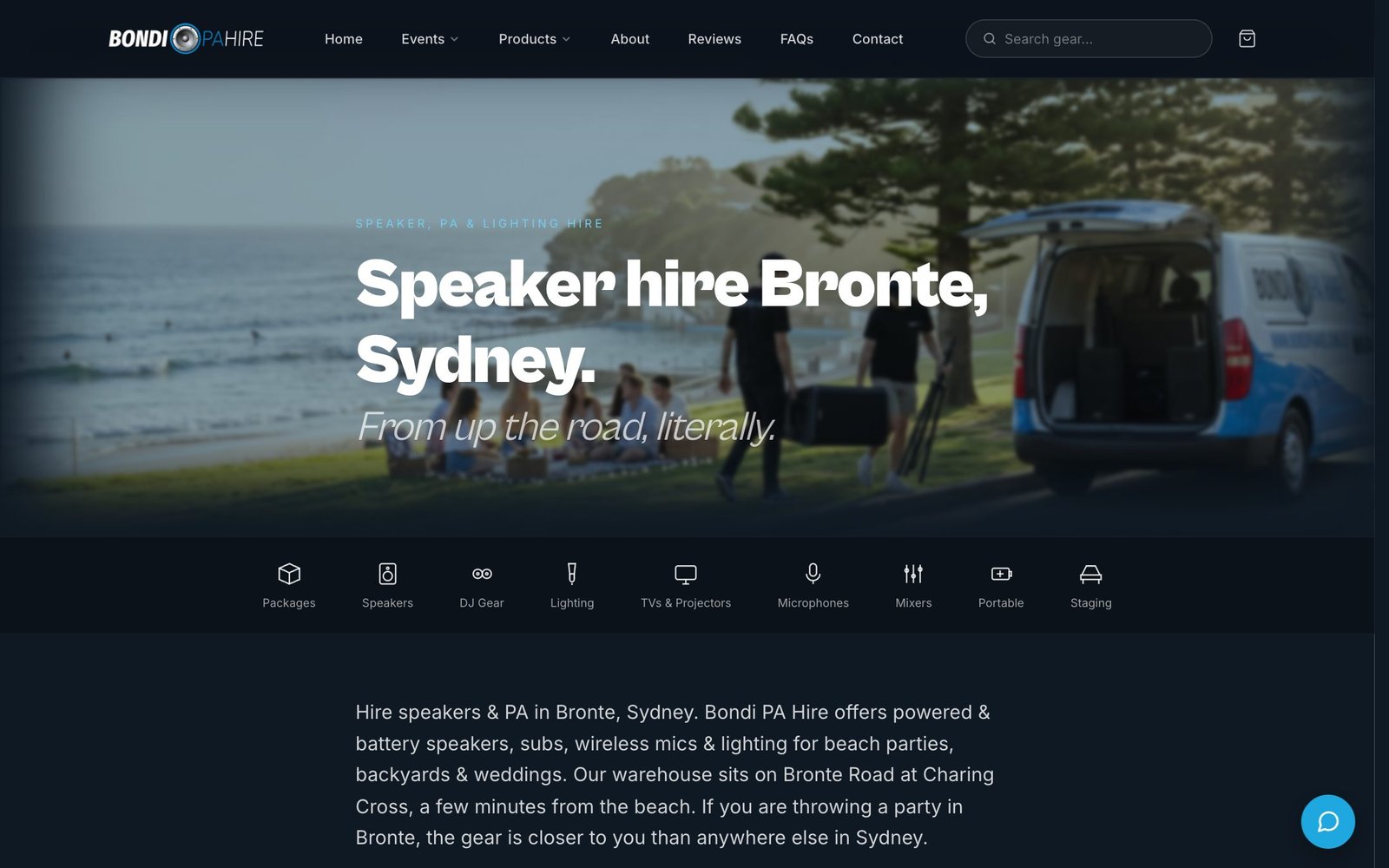
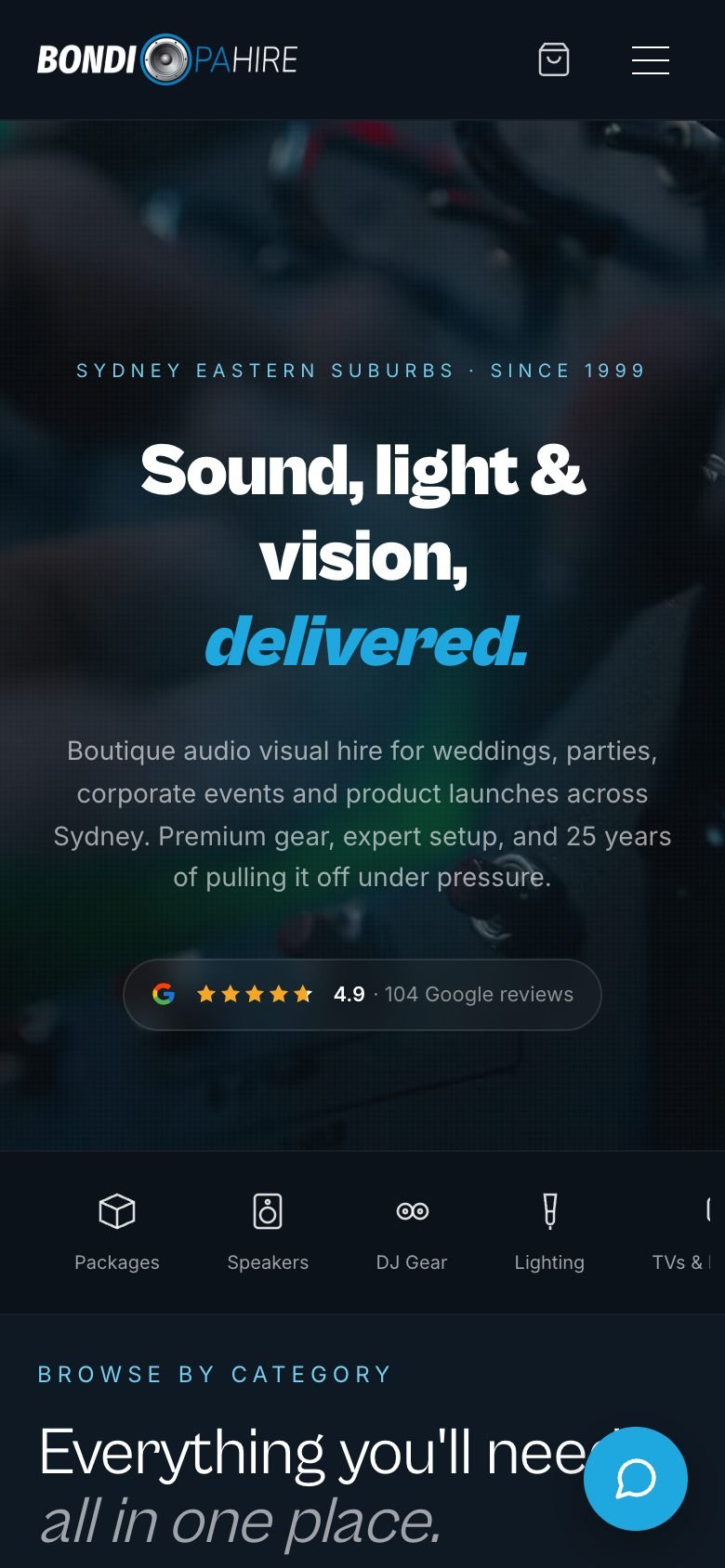
A full-width film of the Bondi PA Hire crew at work, loading the van, carrying gear in and setting up, which then resolves into footage of the live event itself. The Google rating sits pinned under the headline, and a strip of nine category icons sticks to the top of the screen as you scroll. From anywhere on the site you are one tap from any category.
Browsing that makes sense
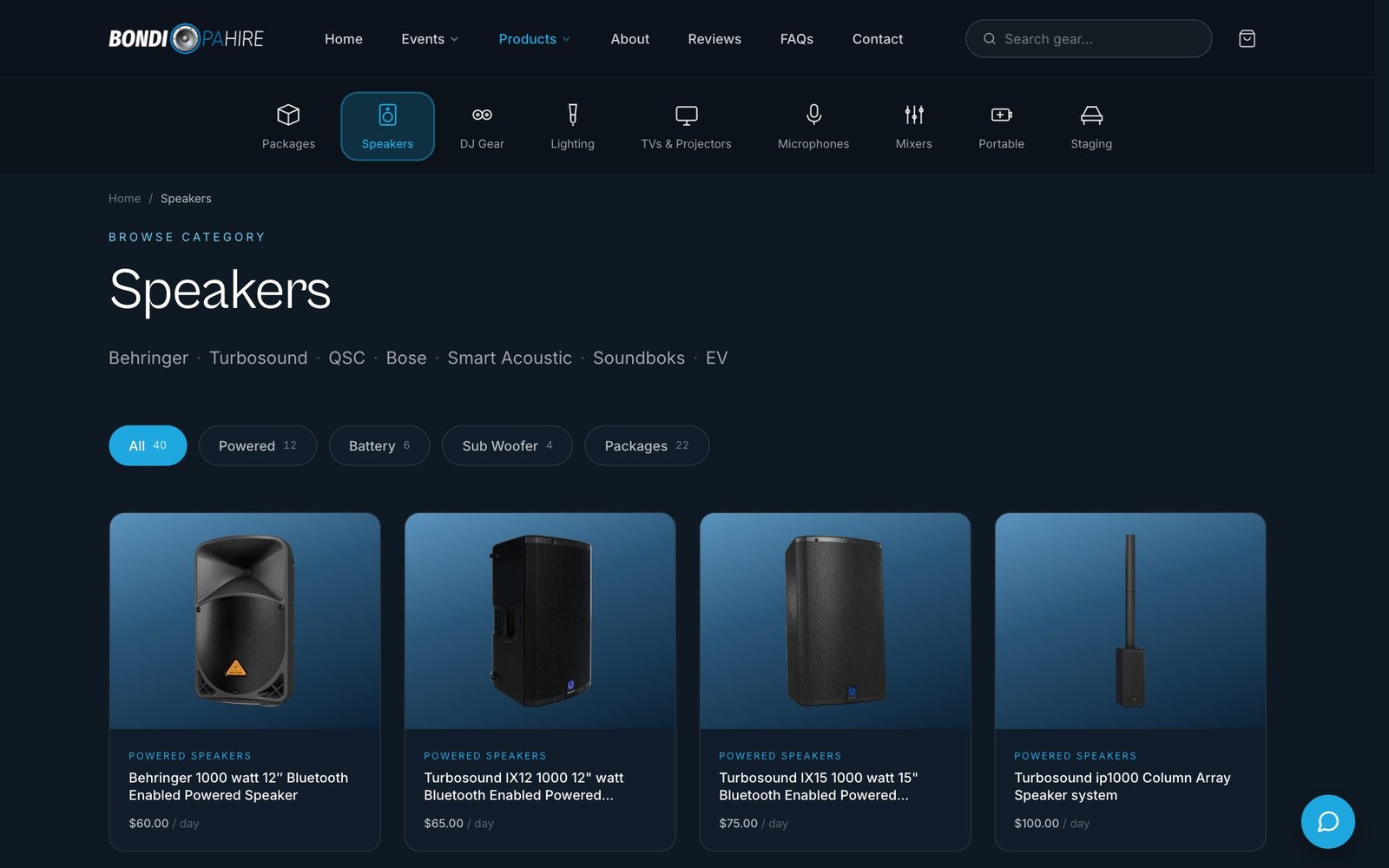
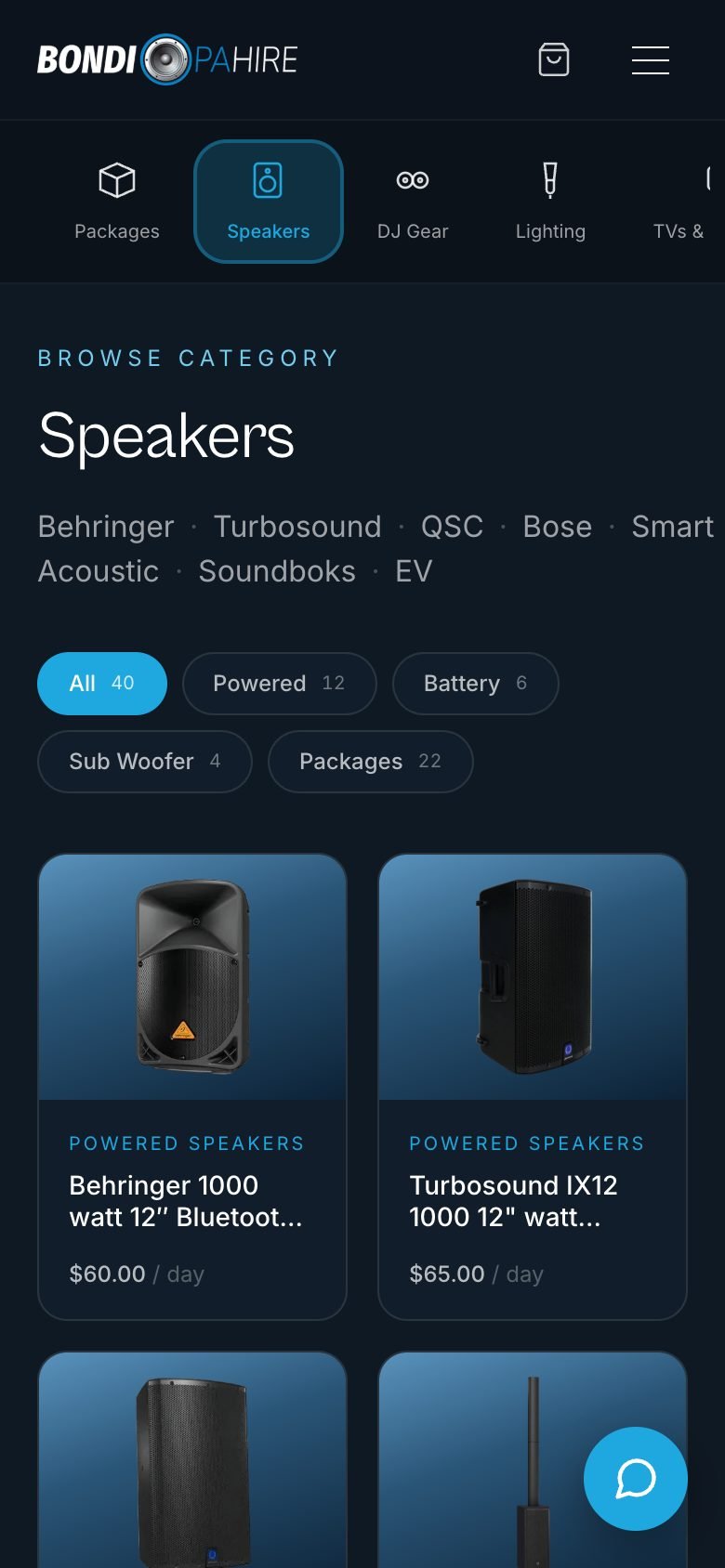
Nine categories replaced 76 overlapping Shopify collections. Each category gets its own quick filters, written for the way people actually shop: powered or battery for speakers, wired or wireless for microphones, TVs or projectors or screens for vision. A live search across the whole catalogue sits in the header.
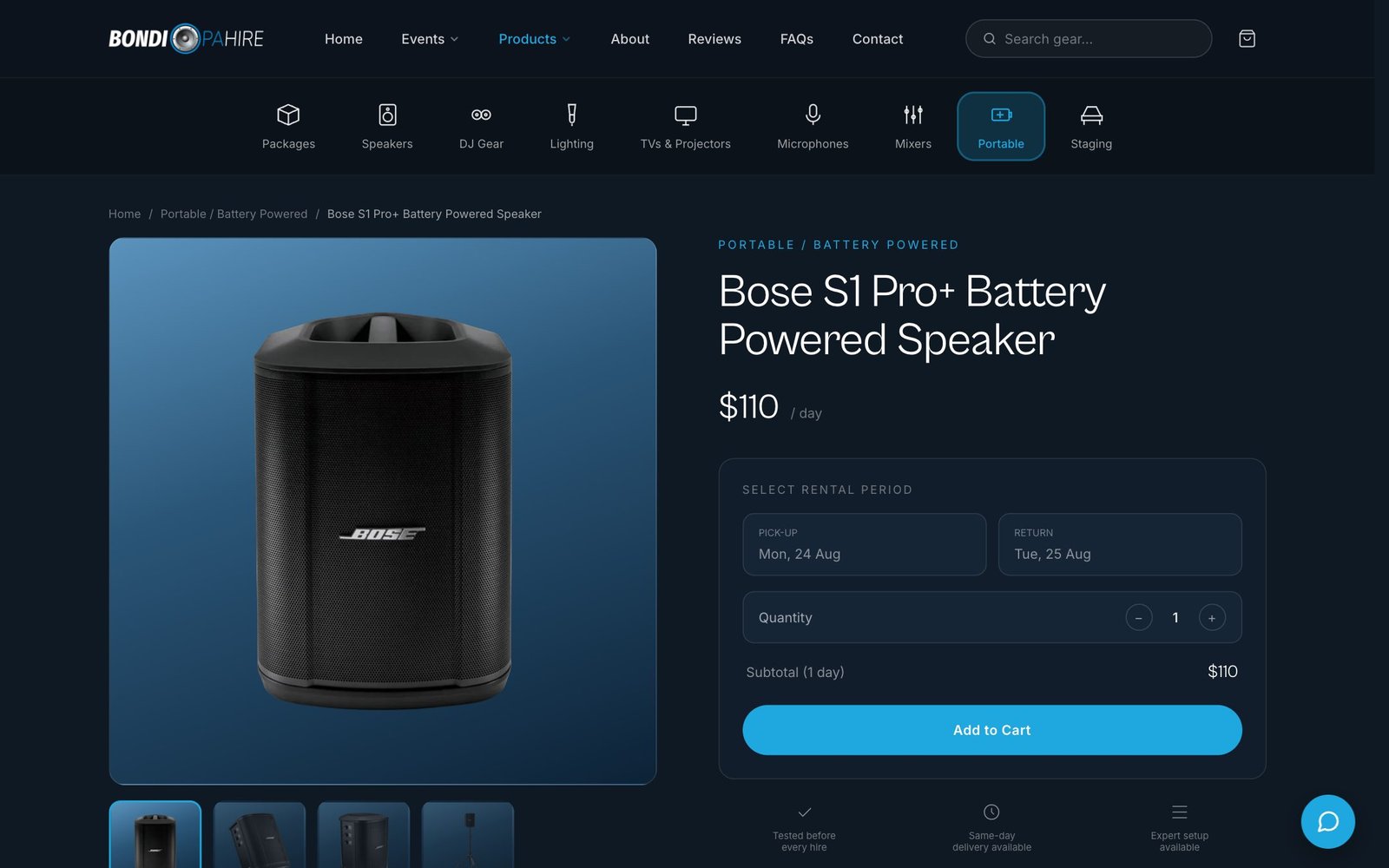
188 product pages, each one rebuilt
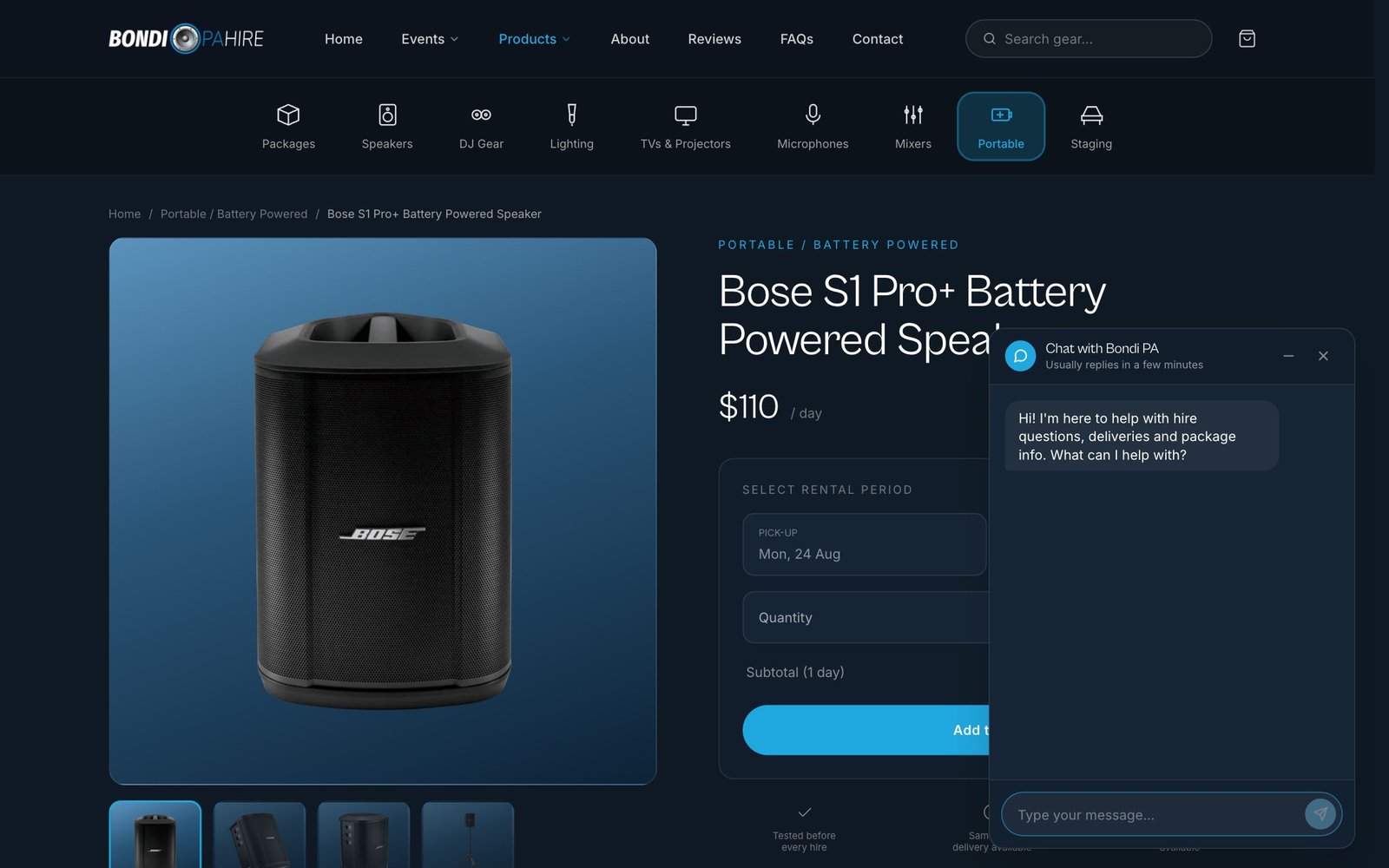
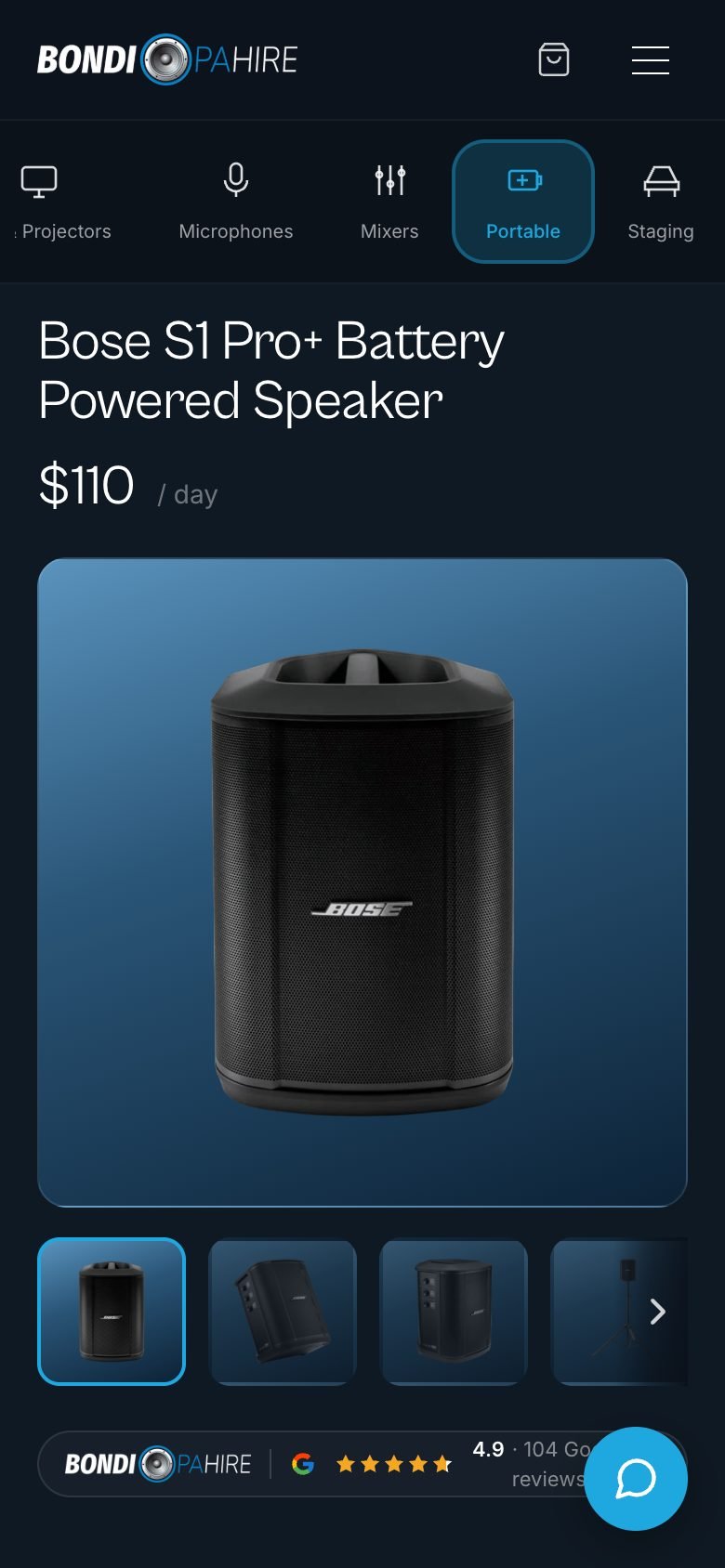
Pick your dates and the page tells you, live from Booqable, how many units are free for them. Below that, a plain-English overview, a features list, what is in the box, and a full specification drawer with the manufacturer's numbers. Every page carries the product mark-up Google needs to show price and availability in search.
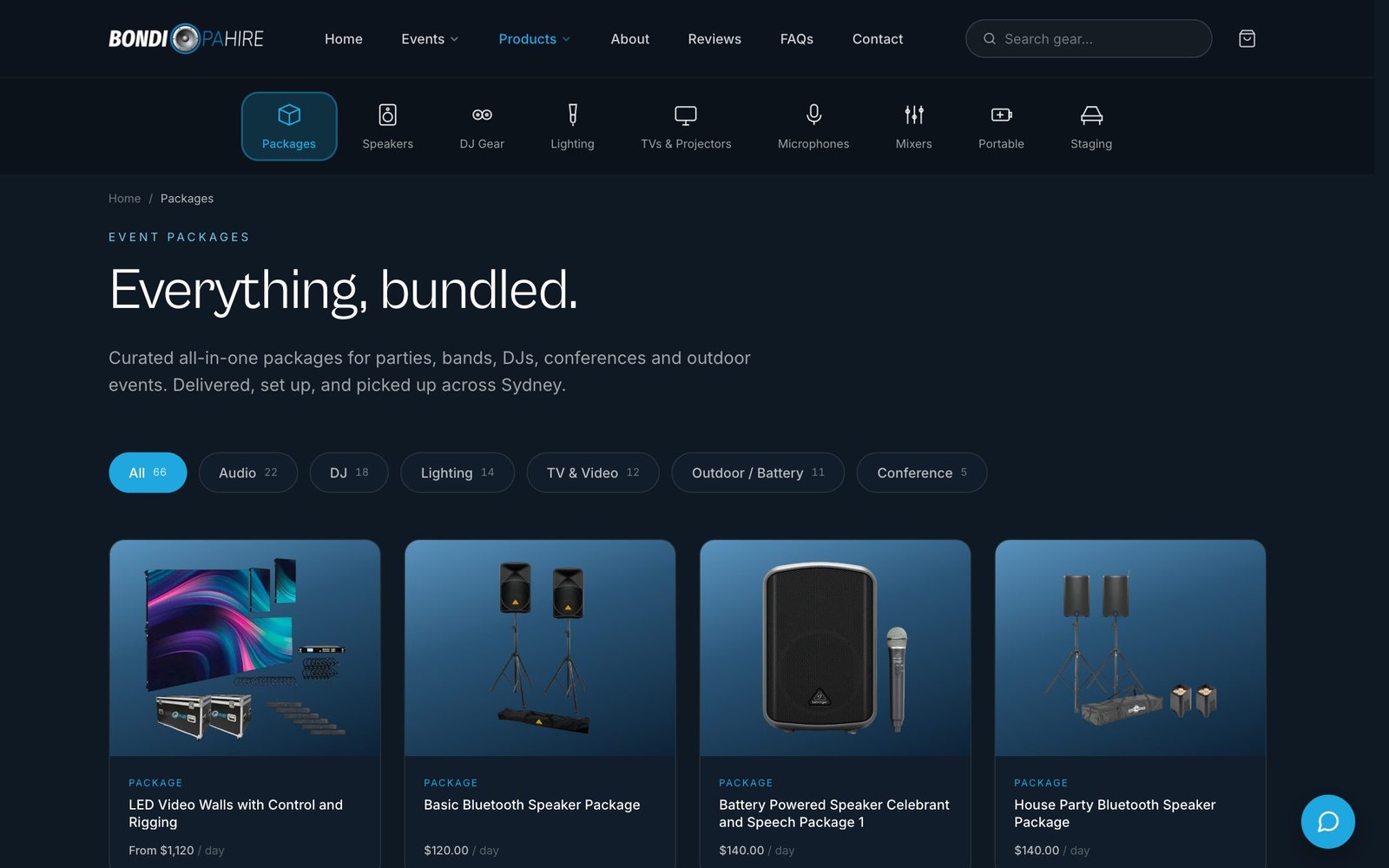
64 packages, with the owner's own words
Packages are what this business sells most, so they went first in the menu and into every category. We built a private form for the owner to write what each package includes, in his own words, and poured all 64 answers into the site.
The photos
Hundreds of photos, every one cut out.
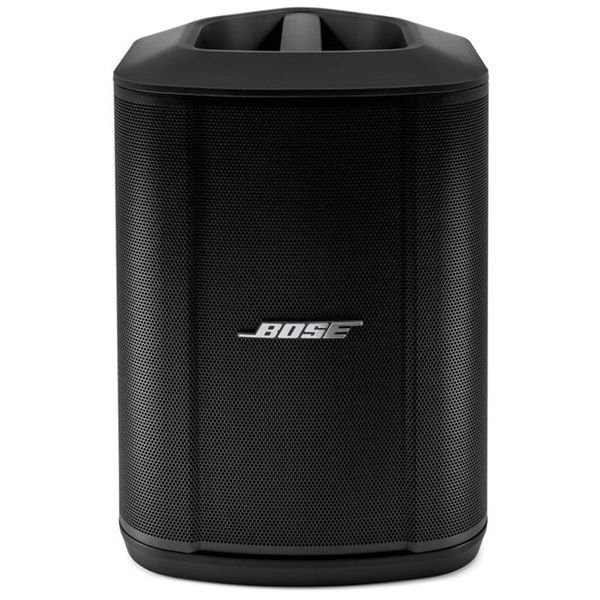
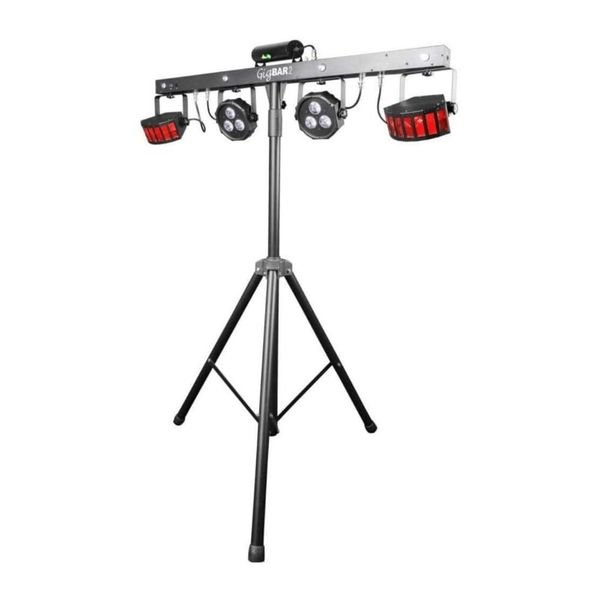
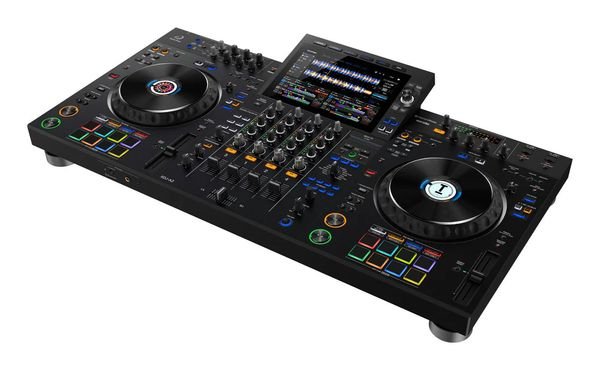
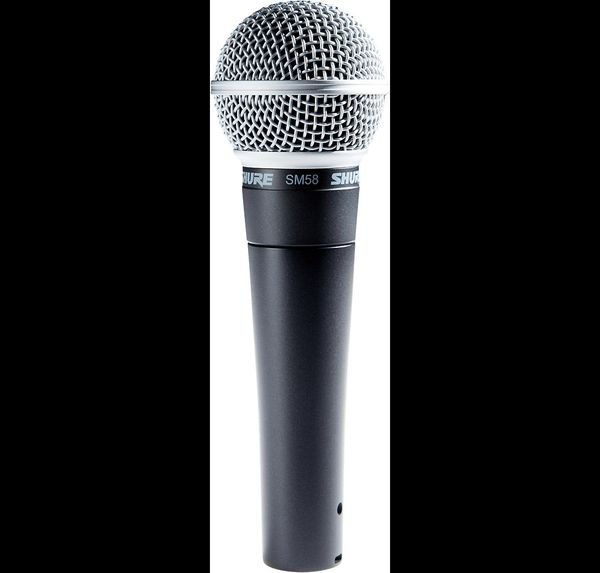
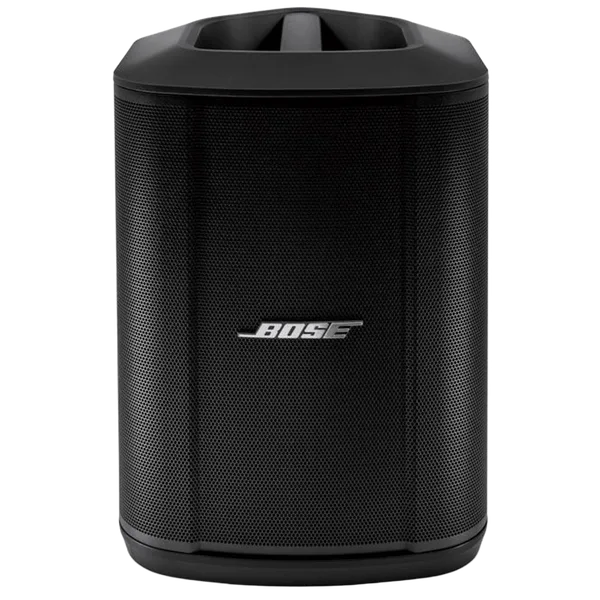
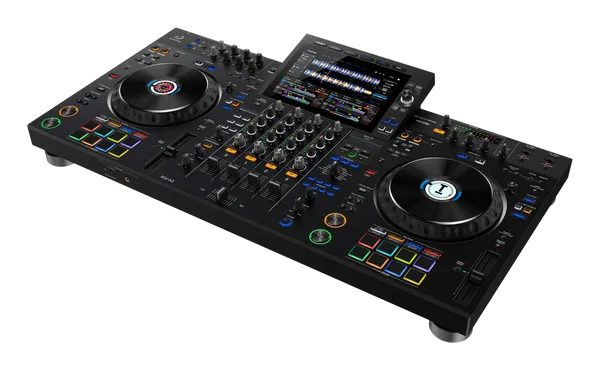
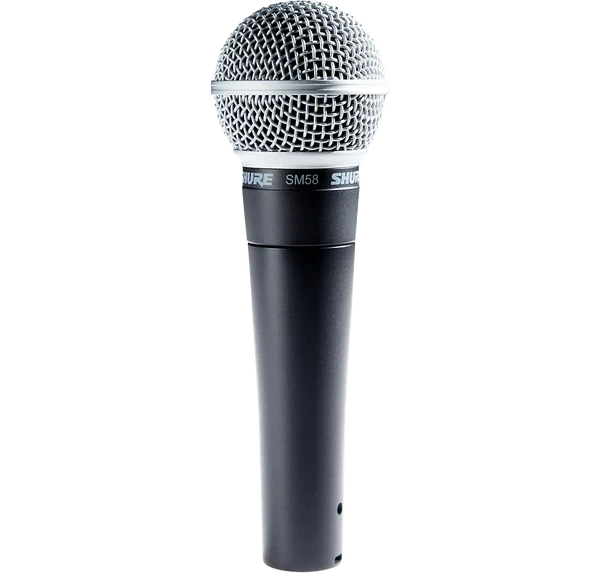
The old catalogue was supplier photos on assorted white and grey boxes, no two the same size. Every one of the 386 images on the site was passed through an AI background remover, checked by eye, padded to a square and saved in a modern format, so they sit on the new dark cards as if they were shot for them.





An assistant that knows the whole catalogue
The chat bubble on every page is a Claude-powered assistant trained on every product, package and hire term on the site. It recommends packages first, shows product cards in the conversation, can check Booqable for availability on a date, and emails a callback request with the full transcript to the owner. It runs on its own server, so it keeps working whatever the site is hosted on, and costs a few cents a conversation.
49 pages for the suburbs that matter
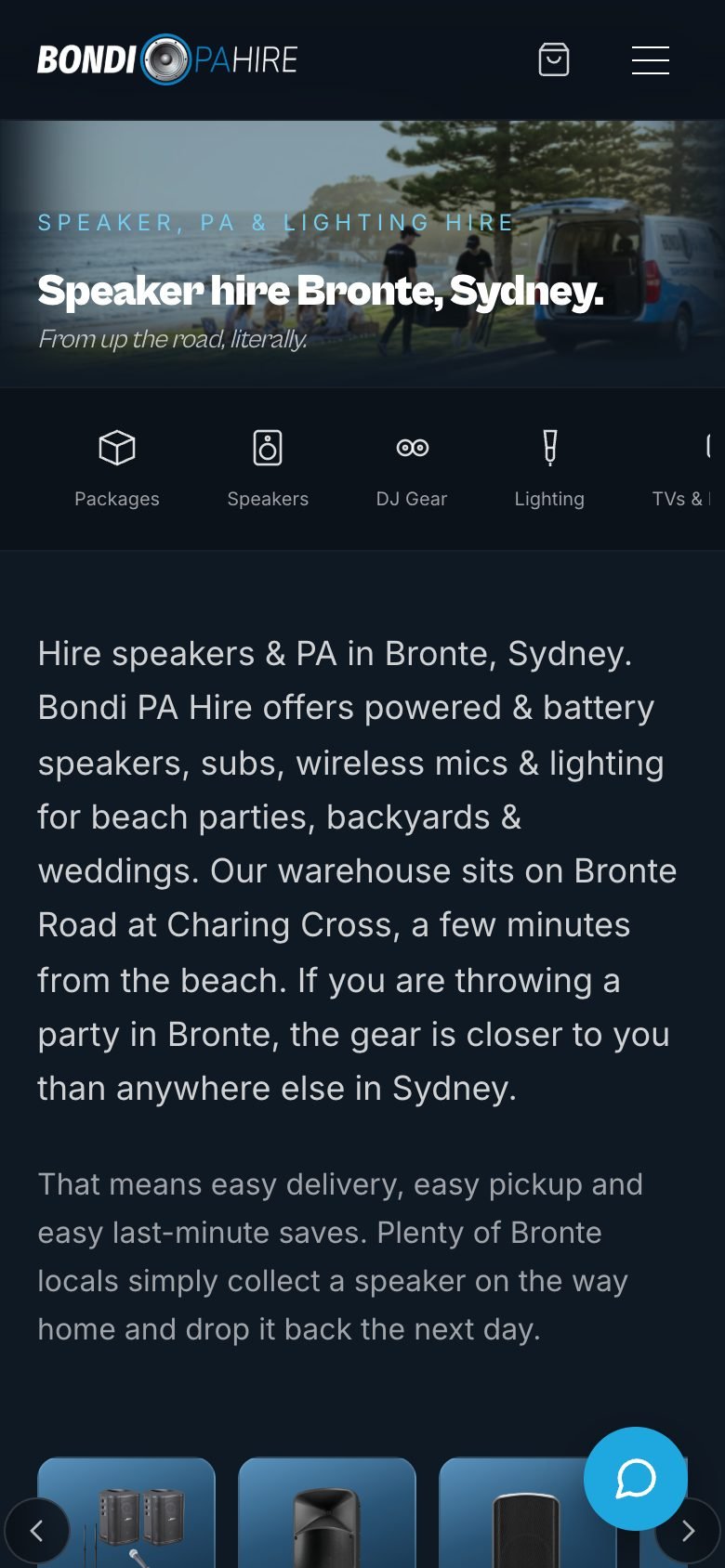
Speaker hire is the search that brings this business most of its customers, and competitors run twenty or more suburb pages each. So in July we added four services across twelve Eastern Suburbs, plus a Sydney hub page. Each one has its own intro, local detail, delivery note, four products, a real Google review from that area and three questions answered. All of them submitted to Google, most already indexed.
Reviews, events, delivery, the lot
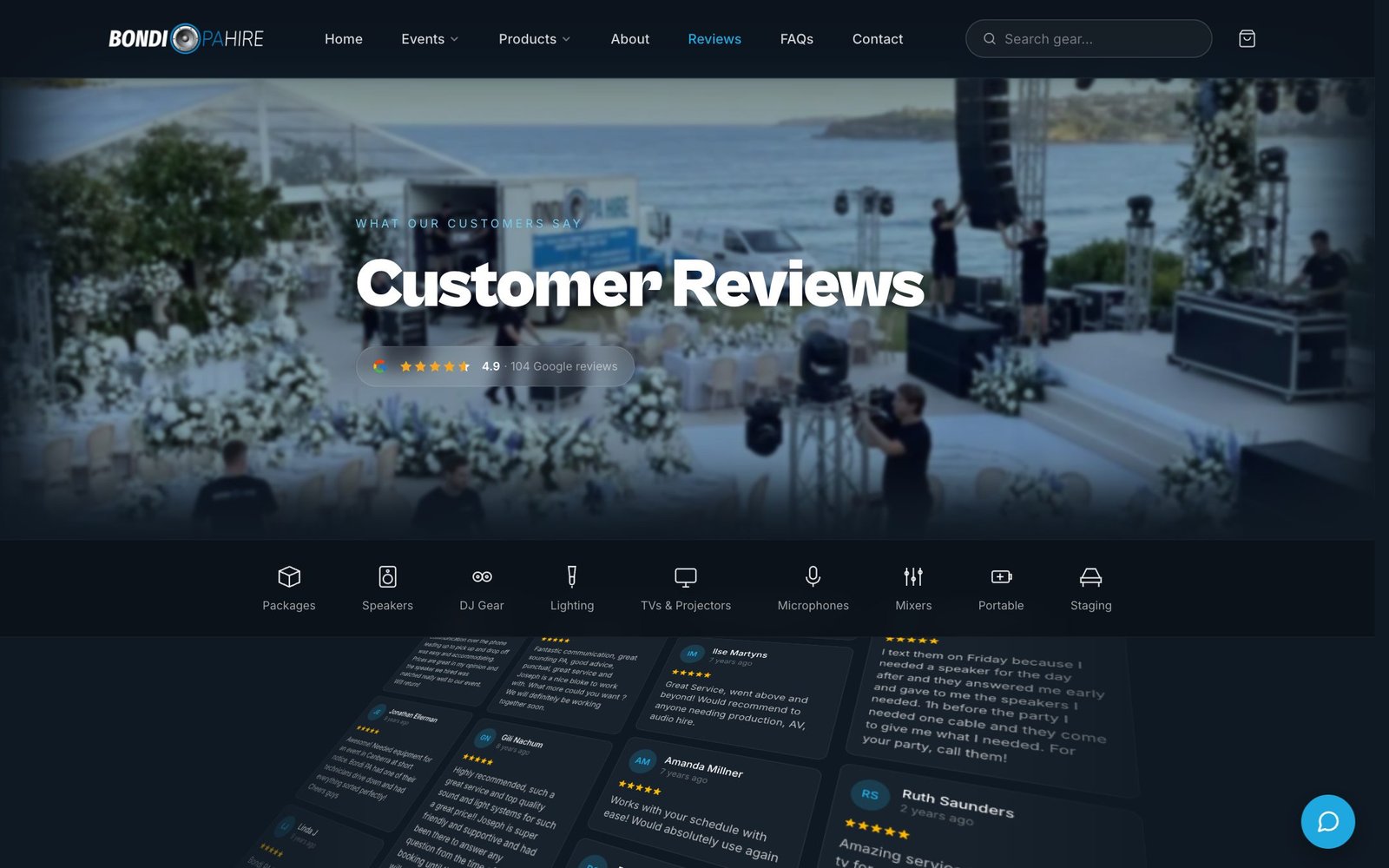
Ninety written Google reviews pulled into a moving wall. An events section for weddings, parties, conferences and product launches. Delivery zones, FAQs, terms, privacy, a fairy-light gallery, an LED wall enquiry page and a blog of thirteen plain-English articles. Thirteen content pages on top of that, written fresh, none of them filler.
On a phone
Built for the thumb first.
Most people hiring a speaker for Saturday are doing it on a phone on Thursday night. The full-screen menu, the sticky category strip and a call bar that never leaves the bottom of the screen were designed before the desktop version, not after.
The hard part
What you do not see.
A new look was the easy bit. Most of the seventeen days went on problems that no template solves.
Two catalogues that did not agree
Booqable held 419 product groups. The old site sold 202. Neither list knew about the other. We built matching tools, had the owner confirm the pairs, resolved nine clashes where two hire items pointed at one page, and dropped 34 old drafts that should never have been public.
Half the catalogue was invisible
Our first crawl found 96 products. The rest were hidden from Booqable's public shop. The breakthrough was a data feed Booqable uses internally, joined to a product code buried in each old Shopify page. Overnight the catalogue went from 96 to 171.
A cart with no instructions
Booqable's off-the-shelf cart could not be styled, so we built our own and wired it into Booqable's internal data store, which is undocumented. We worked out how it adds items, sets quantities, attaches delivery and hands off to checkout, and logged every action on screen until it behaved.
Ghost items
Removing a line from the cart sometimes failed. Booqable keeps deleted lines around in memory, and our cart was seeing them. Once we read only the live cart's own list, the ghosts went.
Keeping Google's memory intact
Every product keeps the exact address it had on Shopify, so years of search rankings carry over. A guard in the build compares every address against a locked list and refuses to publish if any has drifted. Retired pages send visitors to the right new one.
Packages that could not be booked
Three packages were set up in Booqable as bundles, which the cart cannot book. Rather than rebuild the cart, we laid out the two options plainly. The owner recreated them as products within 48 hours. Zero risk, no delay.
A launch day with no DNS
On launch day the old host's DNS zone turned out to be corrupt and would not accept edits. We raised the ticket, it was repaired overnight, and the site went live the next morning with a new certificate in under fifteen minutes.
Safari, and a host that could not fix it
After launch, images failed in Safari and nowhere else. Six support agents and two weeks later the host still blamed the browser. We tested the same files on three hosts to prove the fault was theirs, then moved the site and three mailboxes to the owner's own account elsewhere. Fast ever since.
How it went
Seventeen days, then the long game.
- Brief and crawl. Old site archived, every product and collection mapped, project started.
- First mockups. Home, a category and a product page sent to the owner the next day.
- Architecture locked. No paid data feed, so a static site, a custom catalogue reader and a manual sync routine.
- 96 real product pages live on the preview site with rewritten copy and specifications.
- 171 products. The hidden half of the catalogue found. All nine category pages built.
- Content pages and stress test. About, contact, reviews, delivery, terms. Full mobile pass. Live availability on every product.
- Two rounds of owner amendments, the package form, the blog, the events section, the chat assistant, and a full search-engine pass over 223 pages.
- Launch paused. The old host's DNS zone was broken.
- Live. "We are live, Joe!"
- Moved hosts. Site and mailboxes onto the owner's own account after the Safari saga.
- 49 local landing pages and three new blog posts live. Every one submitted to Google.
- The owner asks about the paid Booqable tier so he can push price changes live himself. The next chapter.
Where it stands
A site the business owns, and Google understands.
Shopify is gone, and so is its bill. The site is a folder of files on the owner's own hosting, with a handover pack that any developer could rebuild from. The owner still edits prices and stock in Booqable, the way he always did.
Google has tidied up. The bloated old index of a thousand-plus junk addresses is steadily collapsing to the lean catalogue we shipped, and the new suburb pages rank first for many local searches. The big prize, speaker hire across the whole of Sydney, is the target for the next phase.
And the owner is now asking how to do more with it, not less.
Looks aesthetically nicer on the page and easier to select what you want.
Joseph, owner, during the second amendments round
Thought I should flag this as it might be helpful and easier for both of us in the long term. I'm thinking of subscribing so that we can have the API functionality. It is a very compelling option now.
Joseph, three months after launch, proposing the next upgrade
The whole homepage
Before and after, top to bottom.
Hover to scroll each one. Move away and it rewinds.
Your turn
Got a site that costs you money and sells nothing?
Send us the link. We will tell you honestly what it would take.
Talk to us